




A vata-balancing diet centers on warm, well-cooked, oily, and grounding foods that counter vata's inherent qualities of coldness, dryness, lightness, and irregularity. Sweet, sour, and salty tastes in their whole-food forms provide the most nourishment for vata, while bitter, astringent, and pungent are minimized. Equally important is how you eat: consistent meal times, slow pacing, and a quality of groundedness at the table are themselves part of the medicine.
In Ayurveda, vata is not only a digestive type or a personality profile. It is the principle of movement, breath, and creative force that animates all of life: the wind through trees, the river's current, the electrical impulse of thought. When this principle accumulates beyond its natural expression in the body, it creates a specific vulnerability: things moving too fast, too dry, and too disconnected from their ground. A vata diet is a practice of returning the wind to its rightful relationship with the earth.
In this guide, you will find:
- What vata is as a cosmic principle and how it expresses in the body, mind, and emotions when balanced and when not
- Three reasons you may need a vata-balancing diet: constitution, season, and stage of life
- The core principles behind every vata meal: warmth, oil, heaviness, and timing
- The best foods for vata balance, including the six tastes and water-based vegetables
- Foods to minimize and a sample day of eating for vata balance
- The energetics of eating: how you eat matters as much as what you eat
You know the feeling: the mind is already three conversations ahead while the body is still in this one. The nervous energy that reads like enthusiasm until it stops being sustainable. Difficulty sleeping even when exhausted. Digestion that cannot quite settle.
In Ayurveda, this particular cluster of experiences has a name, a map, and a path toward its own ground. It describes vata moving beyond its natural expression in the body, asking for something it has not been given.
At the center of that path is food. Not as restriction, and not as a list of permitted and forbidden items, but as a daily practice of warmth, nourishment, and grounding: the kind of care that tells vata, through the language it speaks most directly, that it is safe to slow down and settle.

What Is vata? The Wind and Space Principle
vata is one of the three primary constitutional forces in Ayurveda, composed of air and space, governing every process of movement in the body and in the natural world. When vata is in balance, it expresses as creativity, vitality, and the quickening intelligence that makes adaptation and perception possible. In its excess, that same mobility becomes the source of irregularity, dryness, and disconnection from the ground that sustains it.
Vata, in its deepest nature, is not a constitution to be managed. It is the principle that makes all movement, all breath, and all creative life possible, in the body and in the world.
The wind that moves through trees is following its vata. The current of a river carries vata. The breath that animates a newborn is vata arriving. The electrical impulse of thought, the rhythm of the heartbeat, the peristaltic wave that moves food through the digestive tract: all of this is vata expressing its nature.
To be alive is to be in relationship with this principle. The question a vata-balancing diet asks is not how to suppress this quality, but how to give it the conditions in which it can move without depleting everything it passes through.
How vata Expresses in Body, Mind, and Emotions
Vata governs all movement in the body and mind, making it the first dosha to become imbalanced and the one whose imbalance touches the widest range of experience. When vata is in balance, the body expresses its gifts. When it accumulates, those same qualities become vulnerabilities.
When vata is consistently cared for, fed well, given rest, offered warmth and consistency, it is one of the greatest builders of ojas: the subtle vitality that makes creativity, genuine presence, and sustained action possible. When it is chronically depleted, ojas is among the first reserves it draws from. The fatigue that does not resolve with sleep, the creativity that cannot quite find its form, the sensitivity that has become overwhelm rather than perception: these are the signs that ojas is being taxed by a vata that has not been given its ground.
When vata is balanced: digestion is light and efficient, appetite regular; sleep comes easily and feels restorative; the mind is creative, quick, and adaptable; energy moves with enthusiasm and flexibility; the nervous system feels steady.
When vata accumulates beyond its natural expression, the wind quality, cold, dry, light, irregular, mobile, begins to dominate. In the body: digestive irregularity, bloating, gas, constipation, dry skin, and sensitivity to cold. In the mind: anxiety, scattered thinking, and the restlessness of a mind that will not settle. In the emotions: a quality of ungroundedness and the particular vulnerability of feeling held by nothing. Every one of these signs carries wisdom.
It is vata communicating what it needs, in the only language the body has. The diet is the response.
Three Reasons You May Need a Vata-Balancing Diet
In Ayurveda, a vata-balancing diet is recommended not only for those with a vata-dominant constitution but for anyone whose body is currently carrying excess vata from any of three sources: their nature, the season, or their stage of life. Understanding which is relevant changes how the diet is approached and for how long.
Vata constitution: Those born with vata as their primary dosha tend toward its qualities throughout life: a lighter, more mobile frame; quick, creative thinking; and a nervous system that is more sensitive to stimulation. The gift of a vata constitution, its creativity, its receptivity, its subtlety, is most fully expressed when it is grounded. For these individuals, vata-balancing foods are a year-round foundation, adjusted for season and circumstance.
Vata season: Autumn and early winter are vata's season: cold, dry, windy, and irregular in quality. During these months, vata accumulates in all bodies regardless of constitution. Even those with a primarily pitta or kapha nature benefit from vata-pacifying foods during this seasonal window. For women, the menstrual phase of the monthly cycle carries this same quality: cold, inward, and asking for warmth and rest. The vata diet applies in both seasonal and cyclical contexts, whenever the body is moving inward and asking for ease rather than stimulation.
Vata stage of life: Ayurveda maps vata to the later years of life, roughly from the late fifties onward. The vata years ask for a different kind of season: one that moves inward rather than outward, that gathers rather than expands. What the body needs in this phase is less stimulation and more steadiness, less output and more internal gathering. The vata diet, practiced in these years, becomes a way of conserving and deepening what has been built, tending the creative spark so it illuminates rather than exhausts. The wind finds its wisdom when it finds its ground.
Beyond these three contexts, any period of intense activity, travel, irregular schedule, excessive screen time, or emotional upheaval will elevate vata temporarily.
The Core Principles of a vata Diet
The best foods for vata balance share a specific set of qualities: they are warm, oily, heavy, and grounding, directly countering vata's dominant qualities of cold, dry, light, and irregular. Each principle of the vata diet is a form of earth meeting wind: warmth that counteracts cold, oil that counteracts dryness, heaviness that counteracts lightness, and consistency that counteracts the irregular movement that vata, ungiven its ground, defaults to.
Warmth: vata is cold by nature. Warm, freshly cooked foods are among the most powerful vata medicines. Cold foods, whether from the refrigerator, the freezer, or eaten raw, increase vata and aggravate its symptoms. This applies to drinks as well: room temperature or warm water, herbal teas, and warm milk support vata far more than cold beverages.
Oil: vata is dry by nature. Generous use of healthy fats, including ghee, sesame oil, olive oil, and coconut oil, directly addresses this dryness. Oleation applies to the food itself and to the cooking process: foods should be well-lubricated, soft, and moist.
Heaviness: vata is light by nature. Foods with substance, including root vegetables, whole grains, legumes properly prepared, dairy, seeds, and nuts, provide the grounding heaviness that anchors vata. Meals should feel satisfying and stabilizing.
Consistency: vata is irregular by nature. Of all the dietary principles, consistent meal timing may be the most important for vata balance. Eating at the same times each day trains agni to be ready and regular, reducing the digestive irregularity that vata types experience most acutely when meals are unpredictable.

The Best Foods for vata Dosha
The vata-balancing diet centers on foods that are warm, easily digestible, well-lubricated, and grounding: giving agni the simplest, most supportive intake while providing the heaviness and moisture that vata most needs. Each food in this protocol carries the qualities vata most needs: warmth to counteract cold, moisture to counteract dryness, and the heaviness that helps the wind finally settle.
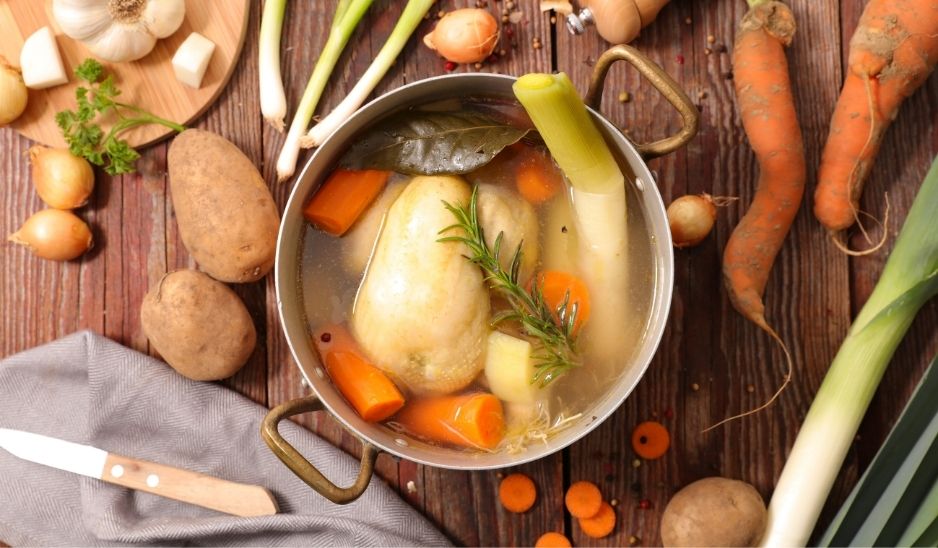
Water-based vegetables: These are among the most important vata foods because they carry the elements of earth and water directly into a body that has accumulated too much air and space. The moisture in a well-cooked squash, the heaviness in a root vegetable roasted in sesame oil: these are the earth coming to meet the wind. Squash, zucchini, asparagus, sweet potatoes, beets, carrots, and parsnips are especially supportive, cooked until soft and dressed generously with ghee or oil.
Grains: Basmati rice, oats (cooked, not raw), wheat, and quinoa provide heaviness and sustained energy. Cook them until soft and moist, adding ghee or oil to the cooking process. Avoid dry, popped, or puffed grains, which increase vata's light, airy quality.
Healthy fats: Ghee (Clarified Butter) is the primary fat of the vata diet. Sesame oil (Sesamum indicum) is deeply warming and grounding, especially in colder months. Use fats generously: they are not optional additions but central to the medicine.
Protein: Well-cooked mung dal and lentils, prepared with digestive spices, provide protein without the gas-forming tendency of heavier legumes. Small amounts of organic animal protein are appropriate for those who include them and can be especially grounding for pronounced vata imbalance.
Fruits: Sweet, ripe, moisture-rich fruits are ideal: bananas, mangos, peaches, pears, figs, and dates. Soak dried fruits in warm water before eating to restore their moisture.
The six tastes for vata: Ayurveda recognizes six tastes, each with a specific effect on the doshas. A complete, healthy meal includes all six in some proportion, with sweet, sour, and salty dominating for vata.
Sweet: Sweet in Ayurveda does not mean sugar. It means the natural sweetness of rice, root vegetables, ghee, dates, and whole milk: the taste that tells the nervous system it is safe to stop moving. It is the most nourishing taste for vata, the one that most directly offers the wind its ground.
Sour: Sour is warming and moistening. It wakes agni without overstimulating it, and counteracts the dryness that vata accumulates. A squeeze of lemon in warm water in the morning is one of the simplest daily vata practices.
Salty: Salt grounds and anchors. In its mineral-rich forms, sea salt and mineral-rich broths, it provides the weight and earthiness that helps vata find its floor. Use it in moderation and in whole-food contexts.
Pungent (use sparingly): A small amount of ginger (Zingiber officinale) warms agni and moves stagnation without scattering vata further. The key is restraint: enough pungency to kindle the fire, not enough to fan it into excess.
Bitter and astringent (minimize): These are cooling and drying, qualities vata already carries in abundance. A small amount in every meal is healthy and necessary for completeness. A meal dominated by them works directly against vata's need for warmth and moisture.
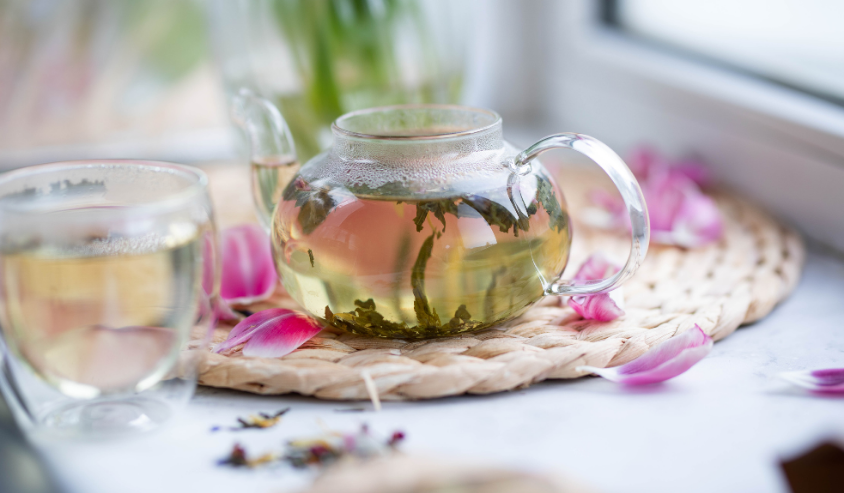
Hydration: Warm water throughout the day, herbal teas (ginger, fennel, licorice), and warm milk support vata's need for moisture. Begin the morning with a cup of warm water before anything else.
This content is educational and does not replace personalized medical or Ayurvedic guidance. Please consult a qualified practitioner before introducing herbal protocols or making significant dietary changes.
Foods to Minimize for vata Balance
During periods of elevated vata, certain foods directly increase its cold, dry, light, and irregular qualities and are best minimized. The body communicates this clearly: foods that consistently leave a vata type feeling bloated, anxious, cold, or scattered are doing exactly what this list predicts.
Foods to minimize:
- Raw vegetables, salads, and dried fruits eaten without soaking in warm water
- Light, dry grains such as corn, millet, and puffed or popped preparations
- Cold and iced foods and beverages, including carbonated drinks
- Excess caffeine
- Highly processed foods with no grounding substance
-
Beans and legumes without proper soaking and cooking with digestive spices
Setting these foods aside creates the quieter conditions in which agni can address what it has already been given. As vata returns to balance, more variety becomes possible.
A Sample Day of Eating for vata Balance
A vata-balancing day of eating is structured, warm, and unhurried: the largest meal at midday when agni is strongest, and warmth at both ends of the day. Every meal is freshly prepared, eaten seated and without distraction.
Upon waking: A cup of warm water, plain or with a squeeze of lemon. This warms the digestive tract and signals agni to begin. Begin with warmth. Everything else follows from this first decision.
Breakfast (8-9am): Warm oatmeal cooked with whole milk or water, stirred with ghee, cinnamon, cardamom, and soaked dates or figs. Or soft scrambled eggs with warm toast and ghee. A small cup of warm ginger or licorice tea alongside. Breakfast for vata is the anchor that determines how steadily agni burns through the rest of the day. For vata types, skipping it has consequences that extend through the afternoon.
Mid-morning: A few soaked almonds (8-10, soaked overnight in water), or a small cup of warm spiced milk if hungry. Not necessary if breakfast was substantial.
Lunch (12-1pm): Kitchari with roasted root vegetables dressed generously with ghee and warming spices: cumin, coriander, turmeric, and a pinch of hing (asafoetida). Or a warm grain bowl with cooked squash, well-prepared dal, and sesame oil. The largest meal of the day works with the body's own intelligence, feeding agni at the peak of its daily fire. Eat seated. Eat slowly. Let this meal be the center of the day.
Afternoon snack (3-4pm): Warm herbal tea and two or three Medjool dates, or a small bowl of warm sweet potato with ghee and cinnamon. The mid-afternoon is one of vata's two peak times of day, when the wind tends to rise and scatter what was settled at noon. Something warm and grounding at this hour is the body being met exactly where it is.
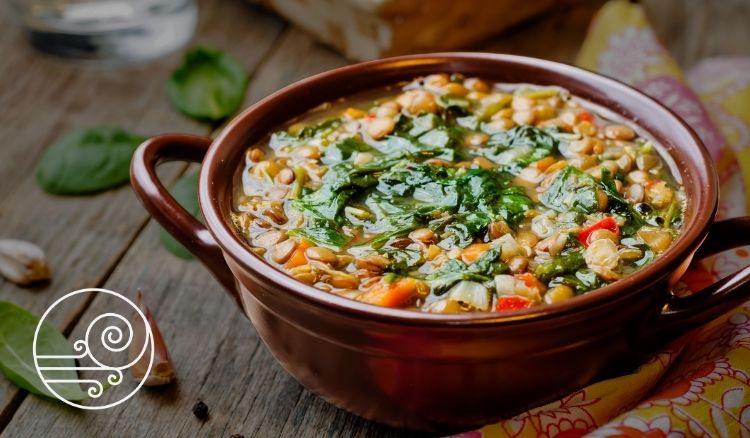
Dinner (6-7pm): Warm vegetable soup with root vegetables, cooked grains, and a spoonful of ghee. Or kitchari. The goal is nourishment without heaviness, a dinner that supports rest rather than demanding digestion. Avoid eating after 8pm.
Before bed: A cup of warm milk with turmeric, cardamom, and a small pinch of nutmeg. This is among the oldest and most reliable vata practices in the classical tradition. It warms the system, nourishes the nervous system, and supports the depth of sleep that vata most needs.
The Energetics of Eating: How You Eat Matters
An Ayurvedic vata-balancing diet is not only a list of foods. The quality of attention brought to each meal is itself part of the medicine, perhaps the part most consistently overlooked. Dr. Lad teaches that the state of the eater shapes the nutritional value of the meal: that a meal eaten in distress nourishes differently than the same meal eaten in peace, because the nervous system's state determines how completely agni can receive and transform what arrives.
Vata types tend to eat quickly. They eat standing, while reading, while working, while answering messages. This scatters agni as effectively as eating raw vegetables in winter, because a nervous system already in motion cannot fully receive what arrives.
Slow eating is a vata practice. Sitting fully before beginning. Taking three quiet breaths before the first bite. Setting screens aside. Chewing each mouthful until it is liquid before swallowing. These are not luxuries. They are the conditions in which agni can do its work completely. The meal eaten slowly, seated, present: it is the moment when the wind finally has permission to land.
Eating with others, when possible, provides a quality of grounding that vata benefits from deeply. The social rhythm of a shared meal, its pacing, its conversation, its physical anchoring, naturally slows vata's tendency toward hurry. Eating alone is fine; eating alone while distracted is the most vata-aggravating meal pattern there is.
A moment of quiet acknowledgment before the first bite shifts the nervous system from vigilance to reception. Digestion cannot function fully in a state of alert. The pause is also the invitation for agni to work.
Beyond the table, three lifestyle practices most directly support what the vata diet begins: warm oil self-massage (abhyanga) with sesame oil before bathing, which grounds the nervous system and moves lymphatic fluid; consistent sleep before 10pm, which honors the body's natural rest cycle; and gentle, grounding movement, walking, yoga, or swimming, rather than intense exercise that depletes the same reserves the diet is trying to build.
Why Nourishing vata Well Matters Beyond the Physical
A vata-balancing diet restores something more essential than comfort: the creative spark, the receptivity to beauty, the capacity to adapt and respond with subtlety that vata, at its best, has always carried. When the wind is given its ground, what returns is the possibility of ojas, the subtle vitality that makes everything else sustainable.
When vata is well-nourished, the creativity that is its deepest nature stays lit without burning through the body's reserves. The mind remains quick without becoming scattered. The sensitivity that makes vata types so perceptive does not become the same sensitivity that makes them overwhelmed.
In Ayurveda, ojas is the subtlest product of balanced digestion: the essence that expresses itself as vitality, immunity, and the quality of presence that others feel when they are near you. vata, when depleted, is one of the first doshas to draw on ojas reserves.
A vata-balancing diet, practiced with consistency, is how ojas is rebuilt from the inside out: through the steady, daily act of giving the wind what it most needs. When the diet is well-established and digestion begins to stabilize, the classical tradition offers rasayanas, rejuvenating preparations that rebuild ojas at a deeper level, for those who are ready to go further than maintenance.
The wind, given the right container, becomes the breath. That is enough to begin.
The diet gives vata its ground. The Home Cleanse gives it its clearing.
The AyurPrana Home Cleanse is a guided 21-day practice developed under the lineage of Dr. Vasant Lad, BAM&S, MASc, founder and director of The Ayurvedic Institute. It moves through three deliberate phases: preparation, deeper cleansing through classical Ayurvedic practices, and a guided transition back to everyday life. For those ready to move from understanding to practice, the Home Cleanse offers what a guide cannot: the structure, the lineage, and the community of doing it together.
[Explore the AyurPrana Home Cleanse]
What the Earth Teaches
- Vata carries the principle of movement, breath, and creative life. The diet is what gives it its ground, and the ground is what allows the wind to express its gifts without depleting its reserves.
- Warmth, oil, heaviness, and consistent timing are the four pillars of vata balance. Each one directly addresses one of vata's inherent qualities: cold, dry, light, and irregular.
- The six tastes are all necessary for a complete meal, with sweet, sour, and salty dominating for vata. Sweet is the taste that tells the nervous system it is safe to stop moving. A meal that includes all six in some proportion is more nourishing than one optimized for only a few.
- Water-based vegetables, squash, zucchini, asparagus, sweet potato, carry the elements of earth and water directly into a body with too much air and space. They are the earth coming to meet the wind.
-
How you eat matters as much as what you eat. Seated, slow, present, and undistracted: these are the conditions in which agni can do its work completely.
Begin with one warm meal eaten without a screen, seated, with three breaths before the first bite. The body will recognize the difference before the mind has words for it.
Frequently Asked Questions
What are the best foods to balance vata dosha?
The best foods for vata balance are warm, well-cooked, and oily: basmati rice, mung dal, root vegetables, ghee, sesame oil, sweet potatoes, zucchini, squash, soaked dates and figs, warm milk, and warming spices like ginger, cinnamon, and cardamom. Foods should be freshly cooked, soft or moist in texture, and eaten at consistent times. Sweet, sour, and salty tastes in whole-food forms are most nourishing for vata.
Which foods should be avoided for vata imbalance?
Foods that are cold, raw, dry, or light aggravate vata and are best minimized during imbalance. Raw salads, cold drinks, iced water, dried fruits without soaking, puffed grains, carbonated beverages, and excess caffeine all increase vata's irregular and depleting qualities. Beans and legumes eaten without proper soaking and cooking with digestive spices are also problematic, as they generate gas and further disturb vata's already irregular digestion.
How can I structure a daily meal plan for vata balance?
A vata-balancing day starts with warm water before breakfast, moves to a warm oily breakfast of oatmeal or eggs with ghee, a substantial kitchari or grain lunch as the day's largest meal, a small warm snack in the mid-afternoon, a lighter dinner of soup or soft grains before 7pm, and warm spiced milk before bed. Consistent timing and warm temperature are more important than any specific food choice.
What lifestyle habits help in managing vata dosha?
Consistent daily rhythms are the most important lifestyle support for vata: waking, eating, and sleeping at the same times each day. Warm oil self-massage (abhyanga) with sesame oil before bathing grounds vata in the nervous system. Gentle, grounding movement like walking, yoga, and swimming sustains vata without depleting it. Reducing screen exposure, especially before sleep, protects the sensitive vata nervous system from overstimulation.
Can vata-balancing foods help with digestion and bloating?
Yes. Bloating and digestive irregularity are common signs of elevated vata, because vata governs movement in the digestive tract. When vata is high, this movement becomes erratic. Warm, well-cooked, oily foods stabilize agni and reduce the gas and bloating that raw, cold, or dry foods create. Cooking legumes with hing (asafoetida) and cumin, avoiding raw vegetables during flare-ups, and eating at consistent times all address vata-related digestive irregularity.