




Are you experiencing irregular cycles, unexplained weight gain, mood swings, or intense PMS symptoms? You might be dealing with estrogen dominance—a hormonal imbalance that affects millions of women worldwide. While common, these symptoms are not normal, and there's a path to healing that combines ancient Ayurvedic wisdom with modern medical science.
In this comprehensive guide, we'll explore estrogen dominance from both Ayurvedic and conventional medical perspectives, providing you with practical, actionable steps to restore hormonal balance and reclaim your vitality.
What is Ayurveda?
Ayurveda, which translates to "science of life" or "science of living," is a 5,000-year-old holistic healing system that originated in India. Unlike conventional medicine that often focuses on treating symptoms, Ayurveda addresses the root causes of imbalance by understanding the unique constitution of each individual.
The Five Elements and Three Doshas
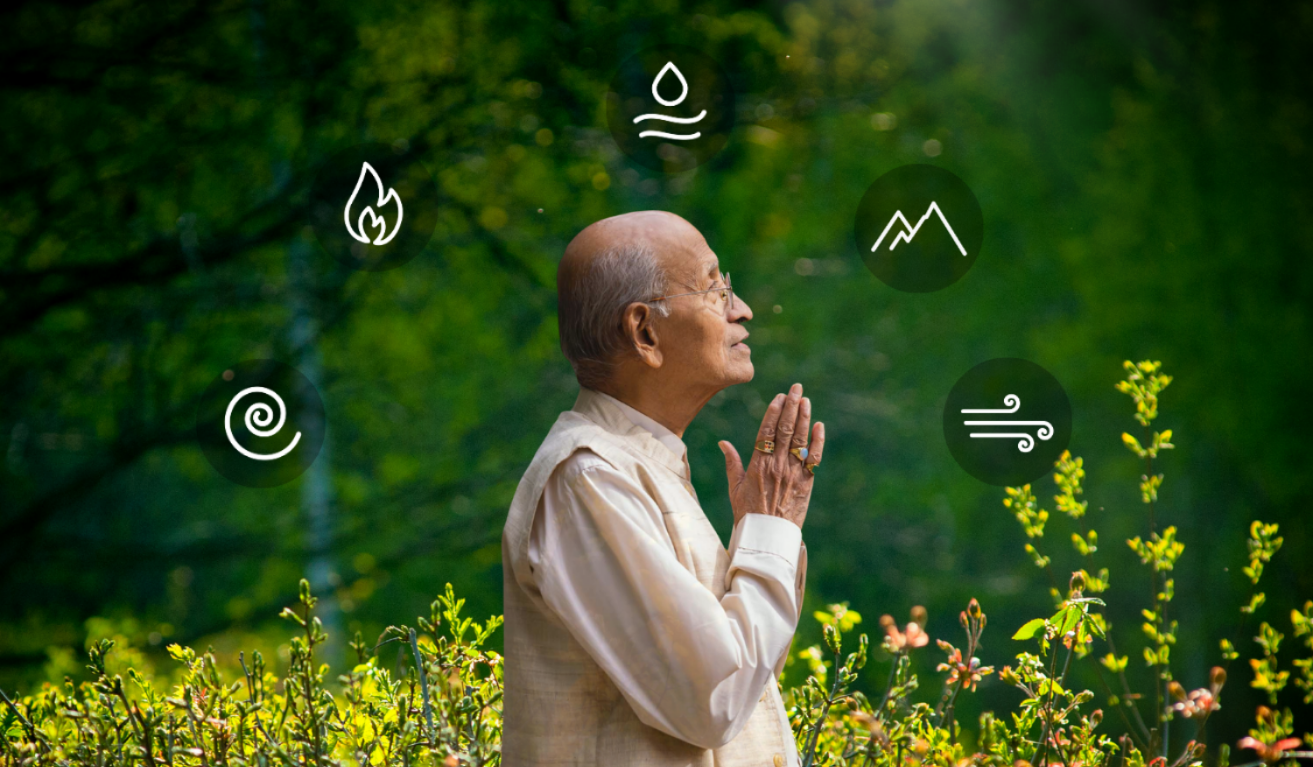
Ayurveda recognizes that everything in the universe—including our bodies—is composed of five fundamental elements:
- Ether (Space) - represents expansion and spaciousness
- Air - governs movement and circulation
- Fire - controls transformation and metabolism
- Water - provides fluidity and cohesion
- Earth - creates structure and stability
These five elements combine to form three biological energies called doshas, which govern all physiological and psychological processes:
- Vata (Ether + Air): Governs movement, communication, and circulation. When balanced, promotes creativity and vitality. When imbalanced, causes anxiety, irregular cycles, and constipation.
- Pitta (Fire + Water): Controls metabolism, digestion, and transformation. When balanced, brings sharp intellect and strong digestion. When imbalanced, causes inflammation, anger, and excessive heat.
- Kapha (Water + Earth): Provides structure, stability, and lubrication. When balanced, offers strength and compassion. When imbalanced, leads to weight gain, sluggishness, and excess mucus.
What is Estrogen Dominance?
Definition: Estrogen dominance occurs when the ratio of estrogen to progesterone becomes imbalanced—either from excessively high estrogen levels, critically low progesterone levels, or both. This hormonal imbalance disrupts the delicate symphony of your endocrine system and can manifest at any stage of life, from reproductive years through menopause.
Key Hormones Explained
|
Hormone |
Function |
|
Estrogen |
Builds the uterine lining, supports bone density, regulates mood and cognitive function, influences metabolism and cardiovascular health |
|
Progesterone |
Balances estrogen, supports pregnancy, calms the nervous system, promotes sleep, regulates menstrual cycles, reduces inflammation |
The key issue isn't just about absolute hormone levels—it's about the ratio between these two critical hormones. When estrogen dominates the relationship, the body experiences widespread dysfunction.
Watch the replay with Vrinda and Sneha discussing this topic
The Three Main Contributing Factors
1. Natural Progesterone Decline
After age 35, progesterone levels naturally decline at a rapid pace. This decline accelerates significantly in the presence of chronic stress through a mechanism called "pregnenolone steal." When your body perceives stress, it prioritizes cortisol production over progesterone production—both hormones share the same precursor molecule. The result? Your stress response steals resources that should be making progesterone, leaving you with even less of this crucial balancing hormone.
2. Environmental Estrogen Exposure
Endocrine-disrupting chemicals (EDCs) are synthetic compounds that mimic estrogen in the body but interact with hormone receptors differently than natural estrogen. These chemicals flood our modern environment and accumulate over time. Common sources include:
- Plastics (BPA, phthalates)
- Pesticides and herbicides on non-organic produce
- Conventional personal care products (parabens, synthetic fragrances)
- Non-stick cookware
- Flame retardants in furniture and electronics
3. Impaired Estrogen Metabolism and Elimination
Your liver is responsible for transforming active estrogen into inactive forms that can be safely eliminated. However, this metabolic process requires specific nutrients and enzymes. When the liver becomes overwhelmed or undernourished, estrogen cannot be properly deactivated. Contributing factors include:
- Inadequate intake of cruciferous vegetables (broccoli, cauliflower, kale)
- Excessive alcohol consumption
- Nutrient deficiencies (B vitamins, magnesium, zinc)
- Constipation or irregular bowel movements (estrogen gets reabsorbed)
The Ayurvedic Perspective: Ama (Toxicity)
Ama is a fundamental concept in Ayurveda referring to undigested, unprocessed, or incompletely metabolized material that accumulates in the body. Think of it as toxic sludge that clogs your channels (called shrotas) and prevents the natural flow of intelligence and communication throughout your system.
You can observe ama in two simple ways:
- Your Tongue: Check for white, gray, or yellowish coating, especially in the morning. A healthy tongue should be pink with minimal coating.
- Your Stool: Observe consistency, color, smell, and whether it sinks or floats. Healthy elimination should be regular, well-formed, and pass easily.
When excess estrogen cannot be properly metabolized, it becomes a form of ama—clogging the liver, disrupting hormonal communication, and creating a cascade of symptoms throughout the body.
Common Symptoms of Estrogen Dominance
Estrogen dominance can manifest differently depending on your unique constitution and which doshas are imbalanced. Common symptoms include:
Menstrual Irregularities
- Heavy or prolonged periods
- Irregular cycle length
- Severe PMS symptoms
- Painful cramping
Physical Manifestations
- Unexplained weight gain (especially around hips and thighs)
- Breast tenderness and fibrocystic breasts
- Bloating and water retention
- Headaches or migraines
- Hair loss or thinning
Emotional and Mental Symptoms
- Mood swings and irritability
- Anxiety and panic attacks
- Depression
- Brain fog and difficulty concentrating
Structural Changes
- Uterine fibroids
- Endometriosis
- Ovarian cysts
Important Note: While these symptoms are common, they are not normal. You deserve to live without these burdens, and healing is possible when you address the root causes.
The Emotional-Liver Connection
In Ayurveda, the liver isn't just a physical organ—it's deeply connected to our emotional processing. The liver holds a special affinity for emotions such as anger, frustration, criticism, judgment, and resentment. These aren't just feelings that pass through us; they're forms of energy that must be processed and released.
When we suppress or fail to process these emotions, they stagnate in the liver, creating energetic ama that impairs the organ's ability to metabolize hormones. Clinical experience shows that clients carrying unresolved anger or resentment often present with palpable liver tension and congestion. Addressing emotional health is not separate from hormonal health—they are intimately intertwined.
Actionable Steps to Balance Estrogen Dominance
Healing estrogen dominance requires a multi-faceted approach that addresses elimination, liver support, stress reduction, and lifestyle modifications. Here are evidence-based strategies rooted in both Ayurvedic wisdom and modern science.
Strategy #1: Support Regular Elimination
Why It Matters: Estrogen that has been processed by the liver gets eliminated through bile into the digestive tract. If you're constipated or not having daily bowel movements, this estrogen gets reabsorbed back into circulation, perpetuating the dominance cycle.
Action Steps:
- Triphala (Three Fruits Formula): Take 1-2 teaspoons of triphala powder soaked in warm water about one hour before bedtime. Triphala is not just a gentle laxative—it's a powerful antioxidant and rejuvenative that rebuilds digestive strength while promoting elimination. If possible, use powder rather than tablets, as the herbs begin working the moment they touch your tongue.
- Flaxseed Powder: Add 2 tablespoons of freshly ground flaxseed to your daily routine. Flaxseed provides both soluble fiber and beneficial omega-3 fatty acids. The fiber binds to excess estrogen in the gut and carries it out. Take it immediately after mixing with liquid—don't let it sit, or it becomes gelatinous. Sprinkle on oatmeal, smoothies, or mix in a small glass of water or juice.
For Those With Loose Stools: If you already experience loose or watery stools, use psyllium husk (isabgol) instead of triphala. Mix 1 teaspoon in water and drink immediately—it absorbs liquid and helps form healthy stool consistency.
Strategy #2: Support Liver Detoxification
Why It Matters: The liver requires specific enzymes and nutrients to transform estrogen into inactive metabolites. Supporting these pathways is crucial for breaking the cycle of estrogen dominance.
Action Steps:
- Cruciferous Vegetables Daily: Eat at least one serving daily of broccoli, cauliflower, Brussels sprouts, kale, or cabbage. These contain compounds called indole-3-carbinol and sulforaphane that directly support estrogen metabolism enzymes.
- DIM Supplementation (with caution): Diindolylmethane (DIM) is a concentrated extract from cruciferous vegetables that supports healthy estrogen metabolism. However, it's powerful—some women have stopped menstruating while taking it. Work with a qualified practitioner to determine appropriate dosing. Never self-prescribe high doses.
- Calcium D-Glucarate: This supplement supports the liver's glucuronidation pathway, which is essential for estrogen elimination. It prevents estrogen from being reabsorbed in the gut.
- Reduce Alcohol: Alcohol directly impairs the liver's ability to metabolize estrogen. If you're addressing estrogen dominance, minimize or eliminate alcohol consumption during your healing phase.
Strategy #3: Reduce Xenoestrogen Exposure
Why It Matters: Environmental estrogens accumulate in fatty tissues and continuously signal estrogen receptors, contributing to dominance even if your natural estrogen levels are normal.
Action Steps:
- Switch to Glass or Stainless Steel: Replace plastic food storage containers, water bottles, and cooking utensils with glass, stainless steel, or ceramic alternatives.
- Choose Organic When Possible: Prioritize organic versions of the "Dirty Dozen" produce items, which carry the highest pesticide loads. At minimum, wash all produce thoroughly.
- Clean Beauty Products: Switch to personal care products free from parabens, phthalates, and synthetic fragrances. Your skin absorbs what you put on it.
- Filter Your Water: Use a quality water filter that removes pesticides, hormones, and industrial chemicals.
Strategy #4: Support Progesterone Production
Why It Matters: Even if you reduce estrogen levels, you won't achieve hormonal balance without adequate progesterone to counterbalance estrogen's effects.
Action Steps:
- Manage Stress: Chronic stress diverts pregnenolone (the precursor to progesterone) toward cortisol production. Daily practices like meditation, gentle yoga, breathing exercises (pranayama), or time in nature help restore this balance.
- Ashwagandha (Withania somnifera): This adaptogenic herb helps regulate the stress response and supports healthy cortisol rhythms. Dosing varies by individual; quality matters immensely. Consider Harmony Nutraceuticals Ashwagandha extract (approximately 1,500-2,000mg extract per serving) for therapeutic effect. For general support, 200-500mg in herbal formulations is common. Always work with a practitioner for personalized dosing.
- Ashoka (Saraca asoca): A traditional Ayurvedic herb specifically for women's reproductive health. Ashoka supports healthy menstrual flow and uterine tone. Like ashwagandha, dosing depends on individual needs and whether you're using whole herb or concentrated extract.
- Prioritize Sleep: Progesterone production requires quality sleep. Aim for 7-9 hours per night, with consistent sleep and wake times.
Strategy #5: Address Emotional Stagnation
Why It Matters: Unprocessed emotions create energetic blockages that manifest as physical symptoms. The liver-emotion connection is real and measurable.
Action Steps:
- Journaling: Write freely about frustrations, resentments, or anger without censoring yourself. The act of externalizing these emotions begins the processing.
- Movement Practices: Gentle yoga, tai chi, or dance help move stagnant energy through the body.
- Therapeutic Support: Consider working with a counselor, somatic therapist, or energy healer who can help you process and release deep-seated emotional patterns.
- Forgiveness Practice: Holding onto grudges literally creates physical tension. Practice forgiveness—not for others' sake, but for your own healing.
The Path Forward: Healing in Community
Estrogen dominance is not a life sentence. By understanding the intricate dance between your hormones, your liver, your emotions, and your environment, you can take concrete steps toward lasting balance. The integration of Ayurvedic wisdom with modern medical understanding offers a comprehensive roadmap that honors both ancient healing traditions and contemporary science.
Remember: What is common is not normal. You deserve to experience:
- Regular, pain-free menstrual cycles
- Stable moods and emotional resilience
- Healthy metabolism and comfortable weight
- Mental clarity and focus
- Vibrant energy throughout your cycle
The foundation of healing lies not in quick fixes or isolated supplements, but in addressing root causes through diet, lifestyle, stress management, and toxin reduction. When you give your body the right building blocks and remove the obstacles to healing, it knows how to restore balance.
Start Today: Your Three Essential Steps
- Begin observing your body's wisdom: Check your tongue each morning and track your bowel movements. These simple practices give you real-time feedback on your digestive health.
- Support elimination: Start with triphala in the evening and flaxseed powder during the day. These two simple additions can shift your hormonal balance significantly.
- Reduce one source of xenoestrogens: Pick the easiest change—perhaps switching your water bottle to stainless steel or choosing organic for just one produce item. Small consistent changes compound over time.
Healing is a journey best traveled in community. Ayurveda teaches us that we are not isolated beings but interconnected parts of a greater whole. When we heal together, we amplify our individual efforts and support each other through the inevitable challenges.
Whether you're a practitioner seeking to better serve your clients, or someone navigating your own hormonal challenges, know that balance is not only possible—it's your birthright. These principles apply across all stages of life, from the reproductive years through menopause and beyond. The wisdom of Ayurveda combined with the precision of modern medicine creates a powerful framework for lasting transformation.
Remember: "Medicine without the right food is of limited use, whereas the right food can be as powerful as medicine." Get your foundation right. The rest will follow.
---
About This Article
This comprehensive guide synthesizes insights from Ayurvedic medicine and modern endocrinology, drawing on the teachings of Dr. Vasant Lad, Dr. Claudia Welch, and current research in women's health. The information presented is for educational purposes and should not replace personalized medical advice. Always consult with qualified healthcare practitioners before making significant changes to your health regimen.
Keywords: estrogen dominance, Ayurveda, women's health, hormonal balance, progesterone, liver health, ama, detoxification, natural hormone balance, menstrual health, PMS, perimenopause, menopause, endocrine disruptors, triphala, ashwagandha, integrative medicine