



Ayurveda for Emotional Healing: Natural Ways to Restore Inner Balance
Ayurveda approaches emotional healing by working with the body that's been holding the emotion, not just the mind that's been processing it.
The conversation around mental health opened up over the last decade, which is genuinely good. But what filled that opening was mostly the same framework underneath a new language. Manage the symptoms. Track the patterns. Find the right intervention. Repeat.
What rarely gets asked is whether the emotional difficulty sitting in someone's system has a physical location. A tissue layer it lives in, or a channel it's been blocking for years.
That's the entry point Ayurveda for mental health takes. Not the symptom, not the story, but the body that's been holding both. Ayurveda for mental health has been working this way for thousands of years. Ayurvedic psychology has mapped this relationship for thousands of years. What Ayurveda for mental health offers isn't a replacement for what you're already doing. It's a different entry point, one that reaches what the more cognitive approaches can't always touch.
What Ayurveda Actually Says About the Mind
In Ayurveda, the mind and body are not two systems occasionally sending each other messages. They are one continuous field.
What you feel emotionally is already happening physically. Grief doesn't just feel heavy, it creates heaviness in the tissues. Chronic anxiety doesn't just feel scattered, it produces the same scattered, drying quality in the body that Vata imbalance produces everywhere else. Fear that has nowhere to go settles into the kidneys and the lower back. Anger that gets suppressed rather than metabolised generates heat in the liver and the blood.
This isn't a metaphor. This is Ayurvedic anatomy describing what happens when emotional experience doesn't get fully processed. The same agni that digests food digests experience. When Agni is strong, things come in, get metabolised, and move through. When Agni is weak or overloaded, incomplete emotional experiences become ama, the same sticky residue that builds up in the gut when digestion is poor, except sitting in the mental and emotional channels instead.
This is the foundation that Ayurveda for mental health is built on, and it's what makes ayurveda for mental health reach places other approaches don't. And it changes what emotional healing actually looks like in practice. What's possible within this framework goes deeper than most people expect, because it's working at the tissue level as well as the psychological one.

Why Emotions Get Stuck
Everyone has had the experience of knowing something intellectually and still not being free of it emotionally. You understand why the relationship ended. You can articulate the childhood pattern clearly. But the feeling is still there, still running, still shaping how you move through the world.
Ayurvedic psychology has a specific explanation for this. It's called manas ama, the mental and emotional residue of experiences that never fully metabolised. Just like physical ama in the gut, manas ama sits in the channels of the mind and clogs what should be flowing freely. The emotion didn't complete its cycle. It got interrupted, suppressed, or simply overwhelmed the system's capacity to process it at the time.
Each dosha accumulates emotional residue differently:
- Vata tends to hold fear and anxiety, the residue of overwhelm and instability
- Pitta holds anger, resentment, and self-criticism, the residue of perfectionism and control
- Kapha holds grief and attachment, the emotional weight of things carried long after they needed to move
Understanding which pattern is operating changes what the emotional healing path forward looks like. Working a Kapha grief pattern with the same interventions you'd use for Vata anxiety isn't just ineffective. It can deepen the imbalance, and it can quietly undercut emotional wellness rather than build it.
The Mind-Body Wellness Framework in Ayurvedic Practice
Mind-body wellness in Ayurveda isn't a concept. It's a set of daily practices that work at the intersection of the physical and the psychological simultaneously.
The doshas govern both. Vata manages the nervous system, the movement of thought, and the quality of attention. Pitta manages the discriminative intelligence, the capacity to understand and judge experience clearly. Kapha provides the emotional groundedness that allows a person to move through difficulty without being destroyed by it. When these are in balance, the mind has access to all three qualities. When they're not, specific psychological patterns dominate.
Sattvic living is the foundation of the Ayurvedic approach to mind-body wellness. Sattva is the quality of clarity, lightness, and genuine perception. The practices that increase Sattva are not supplementary lifestyle choices in Ayurveda. They are the primary treatment:
- Fresh food prepared with care and eaten at consistent times
- Regular sleep rhythm that aligns with natural cycles
- Time in nature, away from screens and overstimulation
- Daily breathwork and meditation suited to your constitution
This is one of the things that Ayurvedic psychology does differently from most Western models. It doesn't separate the psychological work from the physical conditions the psyche is living in. You cannot think your way to emotional stability if the nervous system running those thoughts is depleted and dysregulated. You have to address both simultaneously, which is what the full framework is designed to do.
Ayurveda and Psychology: Where Ayurvedic Psychology Meets Modern Understanding
There are genuine points of contact between Ayurveda and psychology, and between Ayurvedic psychology and what modern research has confirmed about trauma, the nervous system, and emotional processing.
|
Concept |
Ayurvedic Psychology |
Modern Psychology |
|
Where emotion lives |
Stored in tissues and channels (manas ama) |
Stored in the body, somatic memory |
|
How it's processed |
Through Agni, the metabolic capacity of the mind and body |
Through nervous system regulation and integration |
|
Primary pathway |
Diet, rhythm, breathwork, herbs, meditation |
Talk therapy, somatic therapy, EMDR, body-based approaches |
|
Root framework |
Constitutional, dosha-specific |
Trauma-informed, individual history-specific |
|
Time horizon |
Daily practice building over months |
Varies, often structured in sessions over time |
The concept of the body holding unprocessed experience is not unique to Ayurveda, but Ayurveda has the most developed framework for what to do about it. Somatic approaches in Western psychology are arriving at something Ayurveda has described for millennia: that emotional experiences are stored physically, and that the path through them is often through the body rather than just the mind.
Ayurveda and psychology converge particularly in the understanding of the gut-brain axis. The Ayurvedic understanding that digestion and mental clarity are connected, that the state of the gut directly reflects and influences the state of the mind, has been confirmed by modern research in ways that have surprised mainstream medicine. The enteric nervous system, what researchers now call the second brain, validates something Ayurvedic practitioners have always worked with.
Emotional healing retreats built on Ayurvedic principles bring these practices together in an immersive setting. Most retreats of this kind run five to fourteen days. Emotional healing retreats combine dietary support, marma therapy, Panchakarma protocols, and meditation, allowing the body and mind to work simultaneously in a way that daily practice builds toward over months. A week in emotional healing retreats structured this way can reach layers that take much longer to access through any single approach.

Meditations for Emotional Healing in Ayurveda
Meditation in the Ayurvedic context is not one practice. It varies by constitution, by the nature of the imbalance, and by what the system needs most.
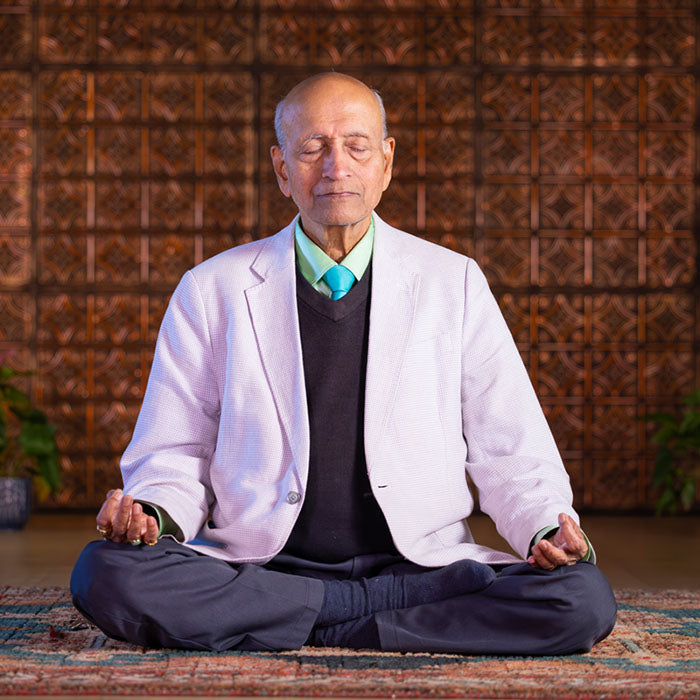
Meditations for emotional healing in Ayurveda tend to work with the quality of attention rather than the content of thought. Rather than following thoughts or trying to empty the mind, the practice develops the capacity to observe the mind's activity without being pulled into it. What Ayurvedic psychology calls Sakshibhava, the witness state, is the ground from which genuine emotional processing becomes possible. You can't metabolise what you're inside of. The witness creates the distance that metabolisation requires.
The right meditation varies by dosha:
- Vata patterns: grounding practices that anchor attention in physical sensation, the weight of the body, the rhythm of the breath. These interrupt the Vata tendency to spiral into thought.
- Pitta patterns: cooling and spacious practices, sky-gazing, open awareness, anything that loosens the grip of intense focus.
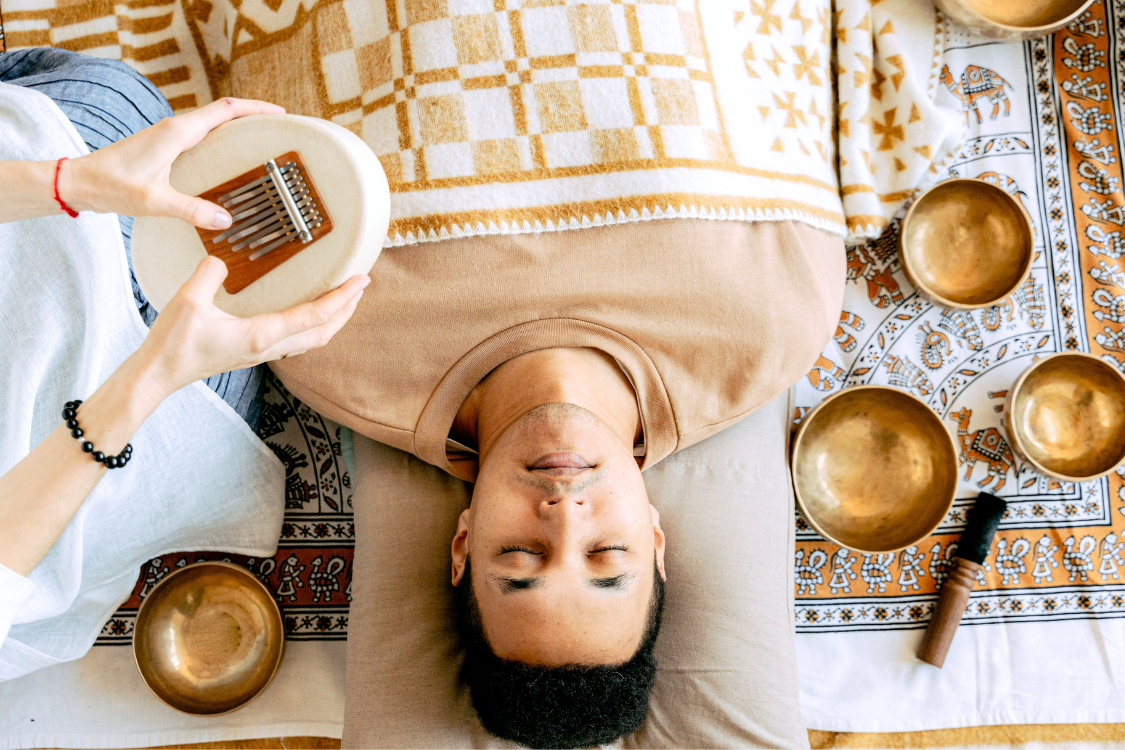
- Kapha patterns: activating practices with movement or sound that generate the internal heat needed to break up stagnation.
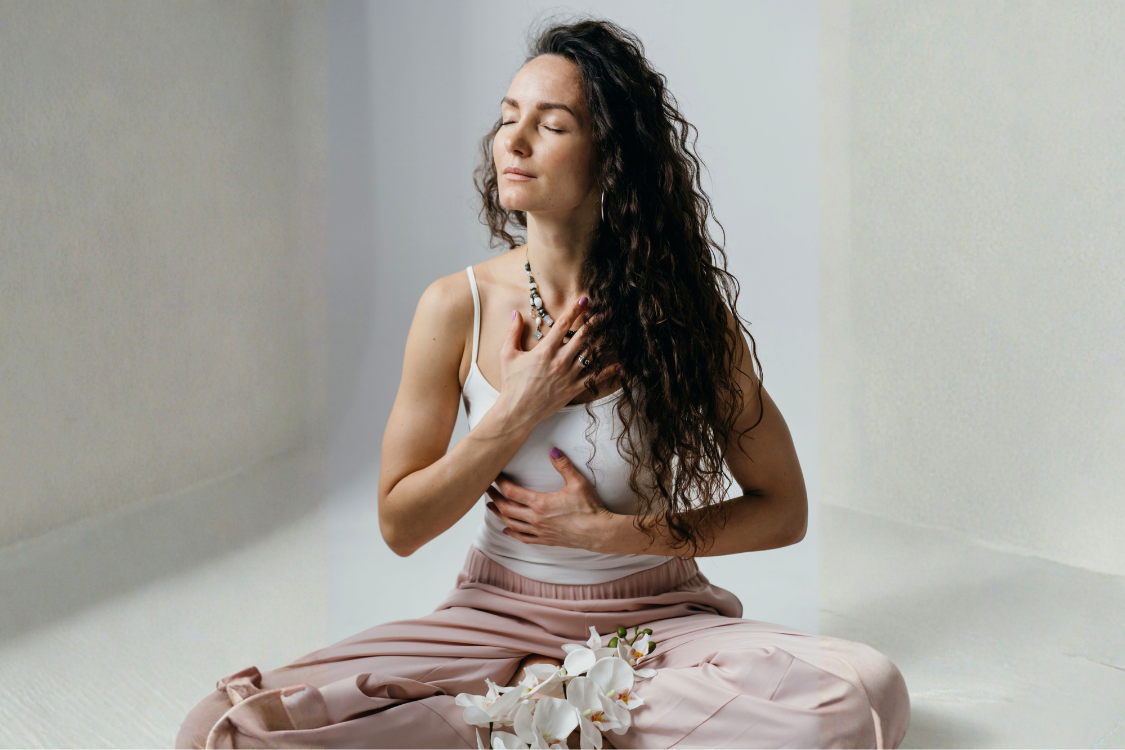
Nadi shodhana pranayama, alternate nostril breathing, is the most universally applicable preparation for any meditations for emotional healing. Ten minutes before sitting brings the nervous system into the state of alert, receptive calm that allows the deeper work to happen.
Emotional Healing Retreats, Herbs, and the Emotional Body
Several classical Ayurvedic herbs work specifically on the mental and emotional channels rather than just the physical ones.
Brahmi (Bacopa monnieri)
The most documented nervine tonic in Ayurveda. Calms overactivity in the nervous tissue, supports the capacity to process experience clearly, and has been studied for anxiety and memory in ways that confirm its classical applications.
Ashwagandha
Works on the stress response pathway. It doesn't suppress the response, it restores the nervous system's capacity to complete it properly. Chronic stress keeps the nervous system running far longer than it was designed to. Ashwagandha is used in Ayurveda specifically for this pattern, to support the body's capacity to complete the stress response rather than sustain it indefinitely.
Shatavari
Nourishes the deeper tissue layers, particularly useful where emotional depletion has become physical depletion. The capacity for emotional resilience lives in well-nourished tissues. When the tissues are depleted, the emotional system has less to draw on.
Jatamansi
Specific to the mental channel. Quieter than Brahmi and less researched in Western contexts, it has a long tradition of use in Ayurveda for the kind of mental restlessness that runs deep, where the mind won't settle regardless of how tired the body is.
These herbs support the emotional healing process rather than driving it. The conditions they create make the deeper work more possible, which is the Ayurvedic approach to most things: restore the conditions first and let the body's intelligence do the work it was always capable of.
Key Takeaways
- Ayurveda for mental health addresses both mind and body, not one in isolation
- Emotional healing begins with clearing ama and balancing the doshas
- Mind-body wellness practices improve emotional resilience over time
- Ayurvedic psychology supports long-term emotional balance, not just short-term relief
- Meditation and herbal remedies help regulate stress naturally, without suppressing the nervous system
Where to Go From Here
The practices that support emotional healing in Ayurveda aren't complicated:
- Consistent sleep rhythm, in bed before 10pm
- Food that builds Sattva, warm, freshly cooked, eaten at regular times
- Daily pranayama, even ten minutes before the day begins
- A meditation practice suited to your constitution
- Actual space to process what's moving through you, not just manage it
What's harder is having the full framework that makes those practices coherent rather than just a list of things to add to a day that's already full.
AyurPrana's The Mind, Trauma, and Mental Digestion gives you that framework, the understanding of how emotional experience accumulates in the body and what the Ayurvedic approach to genuinely clearing it looks like.
Your body already knows how to return to clarity. It needs the right conditions to remember.
Take a breath. Feel your feet on the ground. That quiet settling is the nervous system being given one moment of actual permission to land.
For educational purposes only, grounded in traditional Ayurvedic principles. Not intended to diagnose, treat, cure, or prevent any medical condition. Consult a qualified healthcare professional before beginning any new mental health practice.
Reviewed by Devang Shah — Vedic Astrologer and AyurPrana Founder. 15+ years of experience in Vedic astrology and Vastu. Trained under Hart De Fouw's Vedic Vidya Institute.
FAQs
How does Ayurveda support emotional healing?
By treating emotion as something the body metabolises, not just the mind processes. When manas agni is strong, difficult experiences move through. When weakened by stress or accumulated ama, they stay lodged in the channels. Rebuilding that capacity through food, rhythm, breathwork, and bodywork is what emotional healing looks like in Ayurveda. Not processing the story. Restoring the conditions that allow the body to complete what it started.
What are natural Ayurvedic remedies for stress and anxiety?
Ashwagandha for the stress response pathway, specifically where chronic activation has depleted the system. Brahmi for nervous tissue that won't quieten. Nadi shodhana pranayama, ten minutes before the day starts, for the kind of scattered thinking that Vata imbalance produces. Warm oil self-massage to ground the nervous system through the skin. And consistent sleep before 10pm, which more people underestimate than almost anything else in this list.
Can Ayurveda help restore emotional balance?
It can, and at a layer that cognitive approaches often don't reach. A depleted nervous system, disrupted digestion, and accumulated ama all make emotional balance harder to hold regardless of insight. When those physical conditions are addressed through the right food, practices, and rhythm, balance stops being something you manage and becomes something the body returns to on its own.
What daily Ayurvedic practices improve emotional wellness?
Waking before Kapha hours begin, around 6am. Ten minutes of nadi shodhana before screens or conversations. Warm freshly cooked food at consistent times. Warm oil self-massage before showering. No stimulation for the first hour of the morning. Sleep before 10pm. None of these are dramatic. Together they create the baseline the nervous system needs to process experience rather than just accumulate it, which is the whole point.
What role does diet play in emotional health?
More than most people expect. Fresh, warm, lightly spiced food builds Sattva, the quality of clarity the mind needs to process experience cleanly. Cold, processed, and stale food increases agitation and heaviness. People who shift the quality and timing of what they eat often notice changes in mood and mental steadiness before they notice anything physical.